




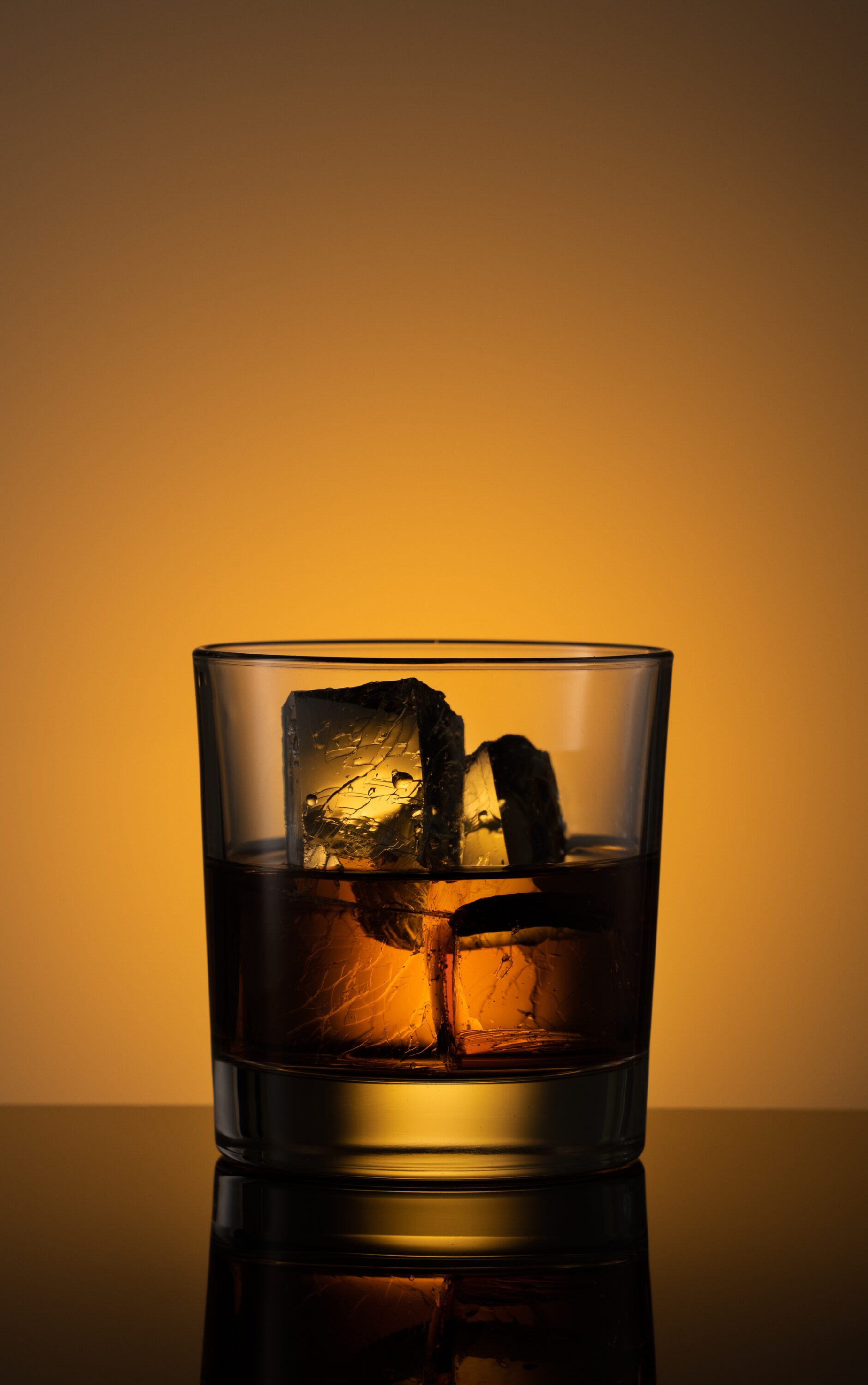
Can Believers Drink Alcohol?

Kurds have a proverb that says,
“Everything with salt, but salt in the right amount.”
The wisdom of this proverb tells us how something good (salt) can become something bad if it is not used in the right amount or in the right way.
This is a helpful proverb for understanding what the Bible teaches about alcohol. The Bible does not give a simple law regarding whether or not believers should drink alcohol. Instead, the Bible gives us three wise principles by which a believer can decide how to honor God when it comes to drinking or not drinking alcohol.
- A Good Gift
The first principle is that alcohol is a good gift from God. The Bible says that God gave humans wine for our hearts to be glad and that the wise person should seek to enjoy this good gift.
“He makes grass grow for the cattle,
and plants for people to cultivate—
bringing forth food from the earth:
wine that gladdens human hearts,
oil to make their faces shine,
and bread that sustains their hearts” (Psalm 104:14-15).
“Go, eat your food with gladness, and drink your wine with a joyful heart, for God has already approved what you do” (Ecclesiastes 9:7).
Many verses in the Bible use wine as a symbol of God’s blessing, generosity, and faithfulness to his promises (Isaiah 25:6). Because of this, Jesus’ first miracle in John 2 was turning water into the very best wine at a wedding. Jesus also chose wine to be one of the symbols of the Lord’s supper that the church regularly uses to remember his death on the cross. And he promises to drink wine with us again in the kingdom of heaven (Matthew 26:26-29).
Some Christian teachers say that wine in ancient Israel was not alcoholic, but this is not true. The process of making grape juice that did not contain alcohol was not discovered until 1869. The wine that people drank in the Old Testament and New Testament periods was alcoholic, although the wine for daily life was usually mixed with water. This means it was not as strong as wine is today, but still contained enough alcohol to make someone drunk, if they drank enough of it (around 3-5% alcohol). In fact, many verses in the Bible make it clear that drunkenness was a possibility if a Jewish person drank too much wine (Proverbs 23:30).
However, even though this danger of drunkenness exists, the Bible is clear. God gave alcohol to humanity as a good gift. Just like any good gift, such as food, sleep, or sex, the gift of alcohol can be used in the wrong way for sin. But that does not make it a bad thing. Paul tells us that if God has called something good, the people of God must not call it bad (Romans 14:16). We must name things as God names them. And God names alcohol as a good gift.
- Drunkenness is a Sin
The second principle is that drunkenness is always a sin. The Bible regularly warns against the dangers and sinfulness of using alcohol in the wrong way. Paul says in Ephesians 5:18, “And do not get drunk with wine, for that is debauchery, but be filled with the Spirit,” and 1 Corinthians 6:10 says that drunkards will not inherit the kingdom of God. One of the qualifications for church leaders, who are meant to be examples of faithful Christian living, is that they must not be addicted to wine (1 Timothy 3:8).
What does it mean to be addicted to alcohol (or anything else)? An addiction is a behavior that we regularly turn to for comfort, escape, or meaning, instead of turning to God or other healthy relationships or behaviors. Over time, an addiction requires us to do it more and more to get the reward we are seeking from it. And we find ourselves trapped, unable to stop doing it even though we want to.
The Bible teaches that any use of alcohol that leads to drunkenness is a sin. But why is drunkenness itself a sin? Many have seen in their own lives how drunkenness often leads to violence against family members, neighbors, and others. The Bible also includes other examples that show how drunkenness is the doorway to other sins, such as Noah’s nakedness or Lot’s sexual immorality with his daughters (Genesis 9 and 19).
Why is drunkenness itself a sin? Because it makes us slaves of something that is not our master. Paul, in the New Testament, makes it clear that drunkenness is the opposite of being filled with and controlled by God’s Holy Spirit. Instead of living under the leadership of the Holy Spirit, the drunk person is controlled by alcohol (Eph 5:18). When a person is drunk, they are no longer in control of their own actions, but they have become a slave to the effects of alcohol. Paul clearly teaches that any good gift can become something sinful if it masters us, and is therefore no longer permissible or beneficial.
“All things are lawful for me,” but not all things are helpful. “All things are lawful for me,” but I will not be dominated by anything” (1 Corinthians 6:12).
Drunkenness is always a sin. Because of this, believers must never use the Bible’s teaching that alcohol is a good gift as an excuse to drink so much alcohol that they get drunk. Instead, believers who drink alcohol need to have the maturity and self-control to enjoy alcohol while not crossing the line into drunkenness.
What if a Christian does get drunk? In this case, they should repent and take practical steps to make sure it does not happen again. With time and accountability, this believer may be able to learn to enjoy alcohol in a healthy and self-controlled way. However, if a believer regularly gets drunk, then they will need to remove all alcohol from their life entirely (Matthew 5:30). As soon as possible, they will need to get good counsel from their pastors in order to find healing and strength to overcome the power of alcohol in their lives.
Often, an alcohol addiction is a sign that a believer is using alcohol as a wrong way to respond to the pain and suffering in their life. Alcohol cannot heal our suffering, but Jesus can, through his Holy Spirit and the local church (James 5:16). Similarly, others turn to alcohol for a sense of belonging to a group or from a feeling that life is meaningless. But these deep spiritual desires can only be filled by being united with Christ, where we find our true family and our true meaning.
- For the Sake of Love and Wisdom
What if a believer does not struggle with drunkenness? This leads us to the third principle, which is that drinking should be controlled by love and wisdom. Christian freedom never means freedom to sin, nor is it given to us only for the sake of our individual freedom. No, Christian freedom is always for the sake of loving God and others. If I am free to enjoy something as a Christian, but it is not truly loving according to the Bible, then I should not do it. In the same way, if I am free to enjoy something as a Christian, but it is not wise, then I should not do it.
“For you were called to freedom, brothers. Only do not use your freedom as an opportunity for the flesh, but through love serve one another” (Galatians 5:13).
Here, some examples are helpful. My family once visited a new restaurant around Christmastime. The owner was so happy that we had come that, without asking, he brought us some wine in order to show us respect and hospitality. Because my wife and I don’t struggle with drunkenness, in this situation, it was loving and respectful to drink some of the wine in order to be honorable guests. On the other hand, there are some places, such as some villages in Kurdistan, where drinking any alcohol at all is viewed as something that no good person would ever do. In this kind of context, a Christian who is known to drink alcohol will damage his reputation and his ability to share the gospel effectively.
Similarly, there are times when it is wise to drink alcohol. Because of his frequent sickness due to unclean water, Paul advises Timothy to mix some wine with his water for the sake of his health (1 Timothy 5:23). Or, believers in countries like France often find that drinking and serving wine is an important part of showing hospitality. But for someone in another situation, such as a man who comes from a line of men who struggled with drunkenness, it is often not wise for him to drink alcohol at all. Rather, the wise thing for this man is to use his Christian freedom not to drink alcohol again.
One other situation where drinking alcohol is neither wise nor loving is when a believer is in the presence of other believers who do struggle with drunkenness. If that believer uses his freedom to drink in that situation, it might become the reason why his brother falls back into the sin of drunkenness. As Paul says in Romans 14:13, “Therefore let us not pass judgment on one another any longer, but rather decide never to put a stumbling block or hindrance in the way of a brother.” If you are considering drinking alcohol, look up and look around you. Are there any believers present that you know may fall into temptation by your drinking? If so, give up your freedom for the sake of love and wait to drink until a more appropriate time.
Is it really possible for some believers to drink alcohol without falling into sin and drunkenness? What ensures that believers will not abuse this freedom? The answer to this question is the same answer that applies to the entire Christian life. When Christ saves us, he not only makes us clean, he also makes us new. The new heart and new spirit that God gives to every true believer mean they are now empowered by the Holy Spirit to live a holy life, one where they obey God from their new nature. In this new life, sin is unnatural, and obedience is natural. This is true even when it comes to alcohol.
Free to Drink or Not to Drink
Each Christian should decide whether drinking alcohol is something that is wise or loving in their situation. Here, other believers and local church pastors can help a believer by sharing their own advice and experience. Faithful Christians will make different choices on this issue, and it is important that they do not despise or judge one another when each one is trying to do what is loving and wise. Romans 14:10 says, “You, then, why do you judge your brother or sister? Or why do you treat them with contempt? For we will all stand before God’s judgment seat.” In fact, the same Christian might find that what is wise and loving in one country or season of life is no longer wise and loving in a different country or different season of life.
As Paul says in 1 Corinthians 9:19-23:
19 “Though I am free and belong to no one, I have made myself a slave to everyone, to win as many as possible. 20 To the Jews I became like a Jew, to win the Jews. To those under the law I became like one under the law (though I myself am not under the law), so as to win those under the law. 21 To those not having the law I became like one not having the law (though I am not free from God’s law but am under Christ’s law), so as to win those not having the law. 22 To the weak I became weak, to win the weak. I have become all things to all people so that by all possible means I might save some. 23 I do all this for the sake of the gospel, that I may share in its blessings” (1 Cor 9:19-23).
Jesus also tells us that although he drank alcohol, John the Baptist did not (Matthew 11:18-19). Yet both of these men were faithful and did faithful ministry. This means that we can trust God when it comes to our own lives and whether or not we drink alcohol. If we choose to drink alcohol, God can use that for his glory and the spread of his kingdom. If we choose not to drink alcohol, God can also use that for his glory and for the spread of his kingdom.
Like many of the good gifts that God gives us, alcohol is a lot like fire. In a fireplace, fire is a wonderful thing that brings warmth and beauty to a home. But if it is taken out of the fireplace, it can destroy the entire house. Just like the Kurdish proverb about salt says, something good can quickly become something bad if it is not used in the right amount, or in the right way.
These three principles help believers to put alcohol in its proper place and to live with freedom, faithfulness, and self-control. Alcohol is a good gift from God. Drunkenness is always a sin. Drinking or not drinking should be controlled by wisdom and love. Praise God that he gives his people good principles from his word to help them make this decision. In this, we see the powerful and practical wisdom of God. When we live according to this wisdom, we glorify God.
“So, whether you eat or drink, or whatever you do, do all to the glory of God” (1 Corinthians 10:31).


